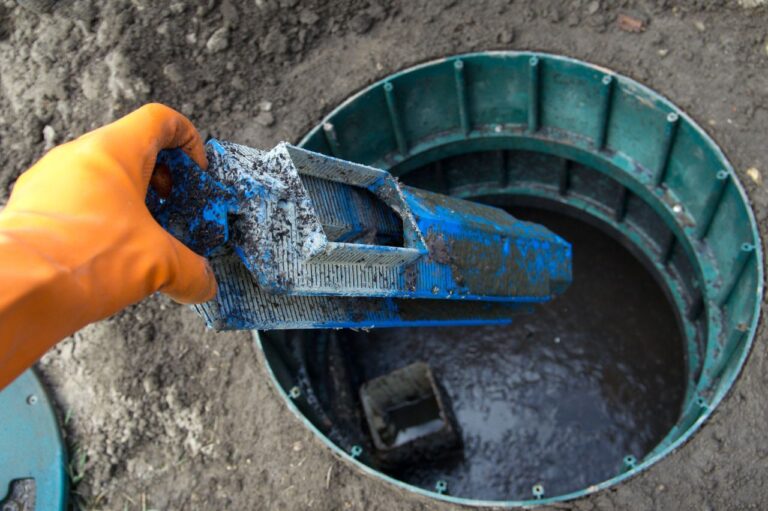
Top Tips for Getting Rid of Outdoor Septic Tank Odors
Let's face it, nobody wants to be greeted by a strong, unpleasant smell every time they step outside. When your septic tank starts letting off those less-than-desirable aromas, it can be a real nuisance. But don't worry, you're not alone! Dealing with septic tank odors is a common problem, and with a little effort and the right approach, you can banish those bad smells for good.
First things first, it's important to understand what causes these odors in the first place. Your septic tank is essentially a mini-ecosystem where bacteria break down waste. These bacteria produce gases as a byproduct, and if those gases aren't properly vented, they can escape into the air, leaving you with a less-than-pleasant olfactory experience.
Now, let's dive into some practical tips that can help you tackle those pesky septic tank odors:
1. Inspect Your Vent Pipe
Your septic tank vent pipe is your first line of defense against odor. It's designed to allow the gases from the tank to escape safely into the atmosphere. If your vent pipe is clogged, cracked, or damaged in any way, it can prevent proper ventilation and lead to those unwanted odors.
How to Check Your Vent Pipe
The vent pipe is usually located on the roof of your house or in the yard near the septic tank. Look for a pipe sticking out, often with a cap or screen on top. Here's what to look for:
- Blockages: Check if anything is obstructing the vent pipe, like leaves, debris, or even birds nesting inside.
- Cracks or Damage: Look for any cracks, holes, or corrosion in the vent pipe.
- Proper Height: Ensure the vent pipe extends at least a foot above the roofline or at least 12 inches above ground if it's on the ground.
How to Fix a Damaged Vent Pipe
If you find a blockage, you can usually clear it with a long, thin cleaning rod or wire. However, if the vent pipe is cracked or damaged, you'll likely need to call a professional plumber to repair or replace it. They can ensure it's properly vented and installed to prevent future odor problems.
2. Maintain Your Septic Tank
Just like any other part of your home's infrastructure, your septic tank needs regular maintenance to function properly. This includes regular pumping and inspection to prevent backups and odors.
How Often Should You Pump Your Septic Tank?
There's no one-size-fits-all answer to this question. It depends on factors like the size of your septic tank, the number of people living in your home, and your daily water usage. Generally, you should aim to have your septic tank pumped every 3-5 years. However, if you start to notice any signs of a problem, like slow drains, gurgling sounds, or a strong septic smell, it's best to have it pumped sooner rather than later.
What to Do During an Inspection
During an inspection, a professional will look for any signs of sludge buildup, solid waste accumulation, or other problems that could be contributing to odors. They can also check the condition of your septic tank and make sure it's functioning properly.
3. Treat Your Septic Tank
Adding septic tank treatments can help break down waste more efficiently and reduce odor-producing bacteria. These treatments come in various forms, including:
- Enzymes: Enzymes help break down solids and grease, preventing buildup and odors.
- Bacteria: Bacteria cultures are designed to accelerate the breakdown of waste, reducing odor-producing bacteria.
- Deodorizers: These products can help neutralize odors by masking them with a pleasant scent.
Tips for Choosing a Septic Tank Treatment
When choosing a septic tank treatment, look for products that are specifically designed for septic systems. Read product labels carefully and make sure they're safe for your tank and the environment. Always follow the manufacturer's instructions for use.
4. Avoid Flushing Harmful Items
Your septic tank is not a garbage disposal! Flushing items like coffee grounds, grease, and paper towels can contribute to clogs and odors. These items can build up in the tank, creating a perfect breeding ground for odor-producing bacteria.
What to Avoid Flushing
Here's a quick list of things to never flush down the toilet:
- Grease: It can solidify in the tank and create clogs.
- Coffee Grounds: They can also solidify and contribute to clogs.
- Paper Towels: These don't break down as easily as toilet paper.
- Wipes: Even "flushable" wipes can cause problems.
- Medications: Dispose of medications properly, not through your septic system.
- Hair: Hair can also contribute to clogs.
- Feminine Hygiene Products: These should be thrown in the trash.
5. Improve Drainage Around Your Septic System
Waterlogged soil around your septic tank can lead to a buildup of moisture and bacteria, contributing to unpleasant odors. Ensure that the soil around your tank is well-drained and that there's no standing water.
What to Do
Here are some things you can do to improve drainage:
- Check Your Downspouts: Make sure your downspouts are directing water away from your septic system, not toward it.
- Create a Drain Field: A well-designed drain field can help divert water away from your septic tank.
- Improve Soil Drainage: If your soil is prone to waterlogging, consider adding soil amendments to improve drainage.
6. Call a Professional If Necessary
If you've tried all of these tips and are still struggling with septic tank odors, it's time to call in a professional. They can diagnose the problem and recommend the most effective solutions, which may include:
- Septic System Inspection: A professional can thoroughly inspect your entire septic system, including the tank, drain field, and vent pipe.
- Tank Pumping: If your tank is full, they can pump it out and dispose of the waste properly.
- Repair or Replacement: If your septic tank or components are damaged, they can repair or replace them.
By following these tips and taking proactive steps to maintain your septic system, you can minimize the risk of unpleasant odors and ensure a more pleasant outdoor experience. Remember, a well-maintained septic system is a happy septic system!
0 comments:
Post a Comment